- About
- Affiliates
- Join
- Publications
- Estuaries and Coasts
- CERF's Up! Quarterly Bulletin
- Coastal & Estuarine Science News (CESN)
- CERF-Lit
- Advertising
- Programs & Events
- Inclusive Culture
- Communities
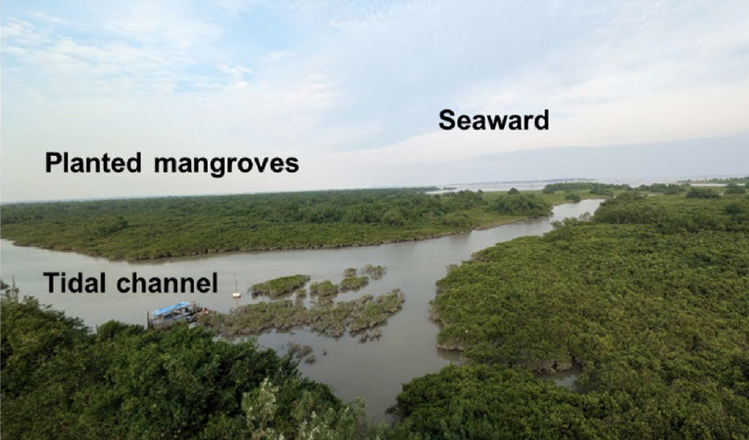
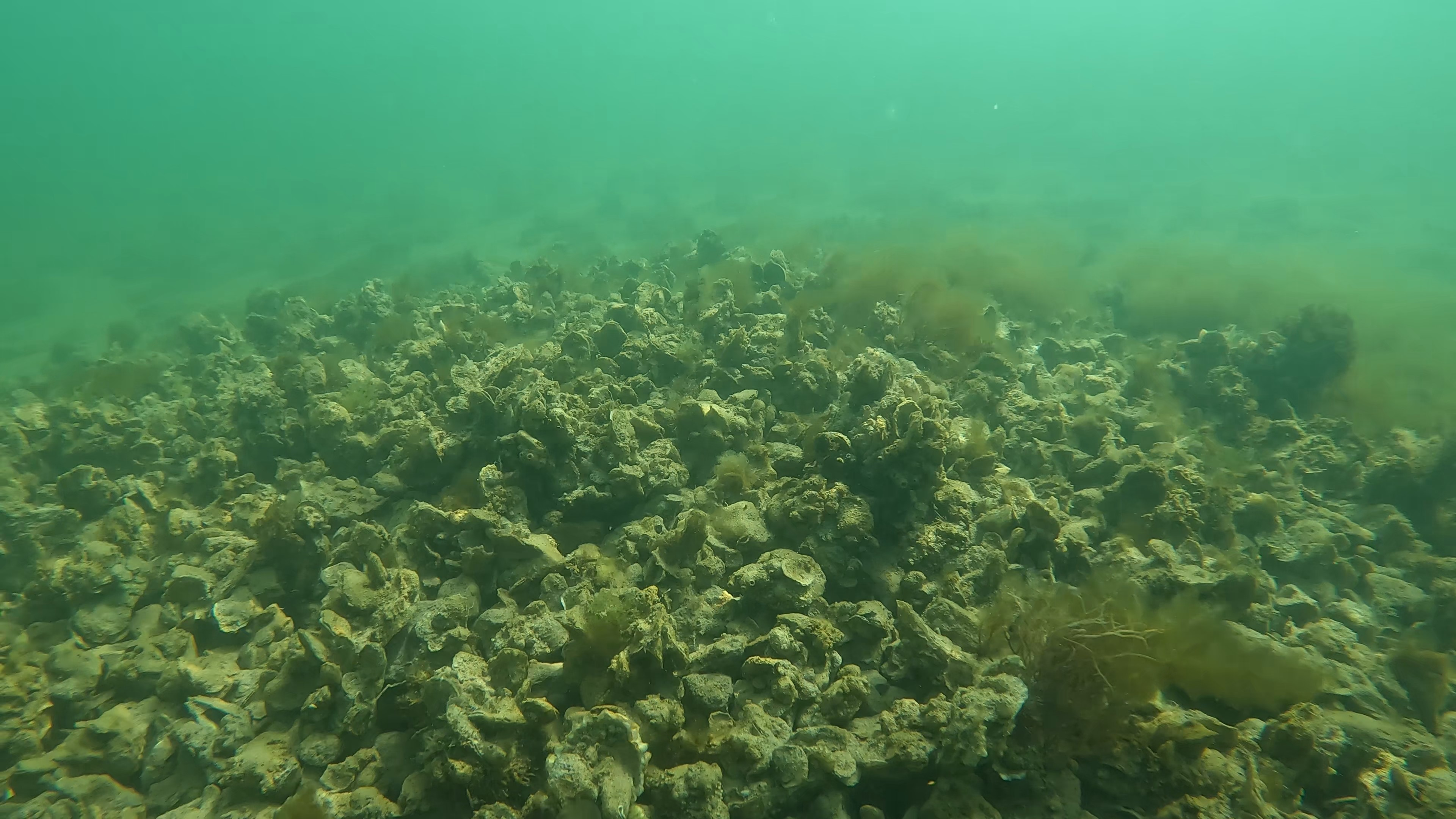
Coastal & Estuarine Science News (CESN)The mission of Coastal & Estuarine Science News (CESN) is to highlight the latest research in the journal Estuaries and Coasts that is relevant to environmental managers. It is a free electronic newsletter delivered to subscribers bi-monthly. Sign up today! 2026 Issue 1Table of ContentsBalancing Eelgrass Preservation with Oyster Aquaculture Balancing Eelgrass Preservation with Oyster Aquaculture And where do nekton fit in? For more than a century, native eelgrass (Zostera marina) and Pacific oyster (Magallana gigas) aquaculture have occupied the same intertidal elevation range in estuaries along the U.S. Pacific Coast. Both have substantial economic value and serve important ecological roles. Understanding the complex interactions that occur in these overlapping habitats is important to determine management strategies that balance conservation goals with sustainable industry. In Washington’s Willapa Bay, oysters are grown in on-bottom or off-bottom culture beds and harvested by hand or mechanically. Here, researchers used orthoimagery captured from a fixed-wing aircraft on June 22, 2020 (along with field verification) to develop current eelgrass and aquaculture distribution estimates—which were then compared to those from the mid-to-late 2000s. The amount of intertidal area covered by eelgrass had not changed substantially from 2009, although coverage differed across aquaculture management practices. The highest eelgrass coverage was found within off-bottom culture beds; for on-bottom culture beds, those harvested manually had higher eelgrass coverage than those harvested mechanically. To demonstrate the utility of these landscape-scale habitat datasets, the team developed abundance estimates for juvenile English sole and Dungeness crab based on nekton sampling. They found no differences in crab and sole densities between areas with and without eelgrass, although on-bottom culture generally had higher estimated densities than off-bottom beds. Fringe habitats adjacent to estuarine channels were estimated to support a small fraction of the estuarine population of juvenile crab, but substantially more of the bay’s juvenile sole population. Sole utilize fringe habitats in spring and summer, whereas crabs show a stronger, more seasonally variable association with fringe and aquaculture habitats. These findings suggest that management actions should consider seasonal differences in the use of both eelgrass and aquaculture habitats, and that culture types and harvest methods should be considered in developing strategies. Prioritizing off-bottom culture and hand-harvest methods could minimize substrate disturbance and allow more eelgrass to coexist with oyster aquaculture, however sole and crab may not benefit equally when considered at the landscape scale. Source: Lewis, N.S. et al. 2025. Spatiotemporal Dynamics of Eelgrass (Zostera marina), Oyster Aquaculture, and Channel-Fringing Habitat Provided to Managed Nekton Species Throughout Willapa Bay, WA, USA. Estuaries and Coasts. DOI: 10.1007/s12237-025-01621-1 Mangrove Plantings Can Prevent Shoreline Erosion Shoreline loss and gain linked to mangrove presence in Vietnam’s Red River Delta. Mangroves can help protect coastal shorelines by trapping sediment and dissipating waves, but in many parts of the world, these forests have suffered significant losses. In Vietnam’s Red River Delta, large-scale mangrove reforestation programs were initiated in the late 1980s after the region experienced severe losses. At the same time, there has been a dramatic decline in sediment supply due to upstream reservoir operations. Researchers studied how changes in mangroves related to shoreline accretion and erosion by analyzing Landsat satellite imagery from 1973 to 2024. They also evaluated sediment supply based on long-term observations of riverine inputs (including daily water discharge and sediment load) spanning 1958 to 2023. The team found significant mangrove shoreline position changes over 51 years in response to both natural and anthropogenic forces. Shorelines accreted more than 300 meters a year in areas with mangroves and eroded up to 3.5 meters a year in regions with sandy beaches without mangroves. This occurred despite a tenfold decrease in sediment supply over the last several decades. The analysis also showed the importance of longshore sediment transport processes as a supply of sediment for accreting shorelines. These findings suggest that without mangrove plantings, the coastline would likely have eroded since the early 1990s. Maintaining healthy mangrove forests and expanding afforestation programs would defend against storm surges, tsunamis, and erosion, and in the context of climate change, they are an adaptive measure for sea-level rise. Source: Nguyen, H.Q. et al. 2025. Five Decades of Shoreline Dynamics and their Response to Dramatically Reduced Sediment Supply on the Southern Red River Delta Coast, Vietnam. Estuaries and Coasts. DOI: 10.1007/s12237-025-01640-y Image: A mangrove forest along the southern Red River Delta coast / Nguyen Hao Quang When Will Created Marshes Reach Dynamic Equilibrium? Vegetation establishes relatively quickly, but sedimentation rates could take decades. Living shorelines have become widespread, but monitoring and evaluating their efficacy has lagged behind their installation. Ideally, created marshes that start as short, sparse plants in sandy sediments will transition into taller, denser plants that trap fine sediment and produce organic matter—but sustained time series are rare. To better predict how sediment and vegetation characteristics might change as living shorelines mature, researchers sampled four young created marshes annually in the Chesapeake Bay from 2019 to 2021, and then compared each of these two- to five-year-old sites to nearby living shoreline sites that were around 10 years of age. Transects perpendicular to the shoreline were sampled for vegetation cover, height, and species; cores were taken for sediment analysis of grain size, organic content, and deposition rates. Precipitation and wind and wave metrics were calculated for each site. The study found that vegetation cover was positively correlated with mud content, stem density, and exposure to wind-generated waves—but negatively correlated with sedimentation rate. Sediment parameters (mud and organic content) were generally correlated with age. Sediment deposition was typically highest during the growing season and lower when vegetation was minimal or absent, with high marshes having higher sedimentation rates and elevation gains than low marshes. Statistical analyses suggest that sediment and vegetation parameters could be predicted using age, rainfall, and exposure. In general, vegetation establishes in the first couple of years. However, on average, it took five to seven years for newer sites to match their paired older sites with respect to mud and organic content. For sediment deposition rates, which were calculated at just one site, it could take 28 years. This work stresses the need for monitoring living shorelines long after installation. And importantly, the variability that was found among sites of the same age sampled at the same time highlights the influence of local environmental factors. Source: Palinkas, C.M. & L.W. Staver. 2025. Drivers of Vegetation and Sediment Development Differ in the Created Marshes of Living Shorelines. Estuaries and Coasts. DOI: 10.1007/s12237-025-01625-x Oyster Shell Growth Synthesis Reveals Data Gaps Despite variability among studies, patterns emerge with salinity and pH. In the U.S., eastern oysters (Crassostrea virginica) build reefs all along the Atlantic coast and the Gulf of Mexico (GoM), providing complex habitats for many organisms as well as ecosystem services like shoreline stabilization. The calcium carbonate in their shells also influences the carbonate budget of estuaries. Understanding how oysters respond to changes in environmental conditions will be useful for the conservation and restoration of these ecosystem engineers. To synthesize existing knowledge on how environmental drivers influence oyster shell growth and calcification, researchers conducted a systematic literature review that identified 33 experimental studies published between 1977 and 2023. Studies were categorized based on location and duration, oyster life stage, and whether they were based on laboratory or field observations. The synthesis revealed large gaps. There were no studies of pH and oyster growth in the GoM, whereas more studies on salinity and temperature were conducted in the GoM than in the Atlantic. Study durations varied: Only studies on salinity and temperature extended beyond a year, and there were only a few short or mid-term studies lasting between one day and four weeks. Shell growth responses were drawn largely from field studies, but there were no measurements of oyster physiology in the field. Few studies evaluated larval responses to salinity and temperature variations, and adult responses to pH and growth metrics were less frequently studied than those of larvae. Because the majority of studies examined temperature, salinity, and pH, these were the focus of additional analyses. Despite uneven evidence, the analysis found that oyster growth and calcification were negative at pH levels below 7.7 and shifted to neutral at higher values in Atlantic populations. Shell growth was more frequently negative at salinities below 10 and above 25 in GoM populations. Temperature effects were less clear. This work emphasizes the need for standardized measurements, regional studies, and studies evaluating different life stages. However, this effort shows how syntheses of this type can provide insight into conservation and restoration. For example, the authors recommend using tolerance ranges to minimize time in adverse pH or salinity conditions when selecting sites or preserving areas with moderate salinity. Source: Savage, K.B. et al. 2025. A Synthesis of Eastern Oyster (Crassostrea virginica) Growth and Calcification Responses Under Changing Environmental Conditions. Estuaries and Coasts. DOI: 10.1007/s12237-025-01637-7 Image: Subtidal oyster reef in Mission-Aransas Reserve, Texas / Terry Palmer |