
- About
- Affiliates
- Join
- Publications
- Estuaries and Coasts
- CERF's Up! Quarterly Bulletin
- Coastal & Estuarine Science News (CESN)
- CERF-Lit
- Advertising
- Programs & Events
- Inclusive Culture
- Communities
Coastal & Estuarine Science News (CESN)The mission of Coastal & Estuarine Science News (CESN) is to highlight the latest research in the journal Estuaries and Coasts that is relevant to environmental managers. It is a free electronic newsletter delivered to subscribers bi-monthly. Sign up today! 2026 Issue 2Table of ContentsDune Restoration: Optimizing Planting Success Dune Restoration: Optimizing Planting Success An experimental comparison of sand sources and fertilizer addition
Researchers conducted a greenhouse experiment to evaluate the effects of sand source and fertilizer addition on the growth of sea oats (Uniola paniculata) and bitter panicum (Panicum amarum), two dune grasses commonly used in restoration projects. These were planted in three different kinds of sand: nearshore dredged sand, upland sand from inland quarries, and naturally occurring beach sand that was collected prior to dune planting. Each combination was also grown with or without the addition of slow-release fertilizer. Changes in above- and belowground biomass and lateral expansion were measured after two months. None of the plants really grew without fertilizer, regardless of sand source. When fertilized, bitter panicum growth improved in all sand types, whereas sea oat growth improved in beach and nearshore sands, but not in upland sands. Compared to the other two sources, the upland sand had lower nutrient concentrations, and the differences in outcome may have been because bitter panicum requires fewer nutrients than sea oats. Overall, the authors recommend fertilizer use, especially in low-nutrient environments like sand dunes, and conclude that bitter panicum is a better choice for initially establishing dunes compared to sea oats. These results suggest that the suitability of the sand source for plant growth needs to be considered when designing restoration projects. Source: Frazier, T.A. et al. 2026. Sand Source and Fertilizer Addition Effects on the Growth of Two Foundational Dune Grasses: Implications for Restoration. Estuaries and Coasts. DOI: 10.1007/s12237-025-01661-7 Image: Greenhouse setup / Teagan Frazier Is There Enough Nearshore Sand to Maintain Beaches? Beach nourishment as a strategy to offset sea-level rise Adding sand to beaches can help offset losses from erosion, and this soft engineering approach to coastal protection is often preferred over hardened structures. However, the viability of beach renourishment as a long-term strategy for combating sea-level rise involves the availability of sediment with the appropriate characteristics (proper grain size, for example). Cost is another issue: The farther the source of sand, the more expensive the project would be. Australia’s Port Phillip Bay is a large estuary that contains a range of low to medium energy shoreline environments. Here, researchers estimated sand volumes along the shoreline and up to two kilometers offshore to determine if there is sufficient nearshore sediment to maintain beaches within the bay for a scenario of one-meter sea-level rise by 2100. They also compared grain sizes against that of the beaches and collected data on beach slope and significant wave height. The researchers determined that there was sufficient (indeed, ample) nearby offshore sand to support long-term beach maintenance in both low and medium energy systems. This was due in large part to the easy access to sediment offered by prevailing low wave conditions. Medium energy systems require a greater volume of sand than low energy systems; however, very low energy sites have a high proportion of fine particles (such as silt and mud), which is more susceptible to loss via erosion, thus complicating their nourishment potential. The work suggests that nourishment can be a practical and economically viable solution to combat sea-level rise in more protected bay and estuarine sites and could be incorporated into nature-based solutions for similar coastlines. The researchers did not study the higher energy ocean-facing beaches, though they estimate that protected beaches will require 40 to 90% lower sand volumes (and less nourishment) due to their lower wave energy and shorter active shorefaces. Source: McCarroll, R.J. et al. 2026. Viability of Beach Nourishment as a long-term Strategy for Maintaining Beaches in Bays and Estuaries. Estuaries and Coasts. DOI: 10.1007/s12237-025-01642-w Developing Nature-Based Solutions with Rural Communities Using participatory action research to collaborate with local stakeholders
A project called Black Point Living Shoreline emerged as a priority—a response to the community’s top concerns (mitigating storm impacts, erosion, habitat loss) and desires (creating a publicly accessible recreational waterfront space with natural habitat). Participants noted how this project could provide community benefits alongside ecological benefits to wetlands. Although there will be challenges such as funding, land access, and limited rural staffing, the project now has a constituency of local advocates behind it that should improve its prospects for implementation and alignment with state planners. This demonstrates how, despite limited resources, rural communities can drive the development of actionable solutions to advance climate adaptation when given the proper support to foster strong community leadership. The authors underscore the critical roles of building trust among community members and tailoring communication to engage a variety of different audiences. Overall, this work helped empower a high-risk, rural community to enhance climate resilience and also provides a template for implementing the collaborative process for other communities. Source: Pathak, A. et al. 2026. Co-developing Nature-based Solutions for Coastal Resilience: A Case Study from Refugio County, Texas. Estuaries and Coasts. DOI: 10.1007/s12237-025-01646-6 Image: Prioritizing proposed projects at a workshop / Chris Hale We Need Better Reporting for Thin Layer Placement Projects Straightforward recommendations to help improve salt marsh restoration The addition of thin layers of sediment to the marsh surface—or thin layer placement (TLP)—is increasingly viewed as a promising solution to the drowning of salt marshes due to sea–level rise. It can also be a beneficial use of dredged material generated by the maintenance of navigation channels. A team of researchers initially set out to synthesize existing literature on TLP in hopes of identifying general patterns to help guide the design and execution of future projects. However, their attempt was hampered by a surprising amount of variation in both project methodology and the reporting of results—making it difficult to conduct quantitative comparisons of outcomes across studies. Instead, they pivoted to documenting these inconsistencies. They reviewed 89 peer-reviewed publications and project reports involving TLP, focusing on dredged sediment placed on existing marsh platforms in Spartina-dominated salt marshes along the U.S. East and Gulf Coasts. Not all studies included certain key metrics: 57% did not report the initial marsh surface elevation, and 50% did not report the tidal range at the project site. Both metrics are needed for interpreting the flooding frequency of existing marsh and providing context for the elevation targets of sediment addition. Additionally, most studies did not provide measurable goals or success criteria. Altogether, the variability makes it challenging to generate broad conclusions on the effectiveness of TLP. Regional differences further emphasize the need for understanding the details of project design. The authors provide a list of straightforward recommendations to improve clarity and standardization. First, clearly articulate project goals, success criteria, initial site conditions, controls versus references, and monitoring results. This includes placement depth, range, and initial elevations, as well as local tidal range and datum. They highlight the importance of using consistent terminology and encourage publishing comprehensive results alongside peer-reviewed literature to better bridge current knowledge gaps. And finally, future research should prioritize long-term monitoring or re-sampling older projects. Source: Reilly, E. et al. 2026. Improved Reporting Needed for Comprehensive Analysis of Thin Layer Placement of Dredge Materials in Salt Marshes: A Review. Estuaries and Coasts. DOI: 10.1007/s12237-025-01658-2 |
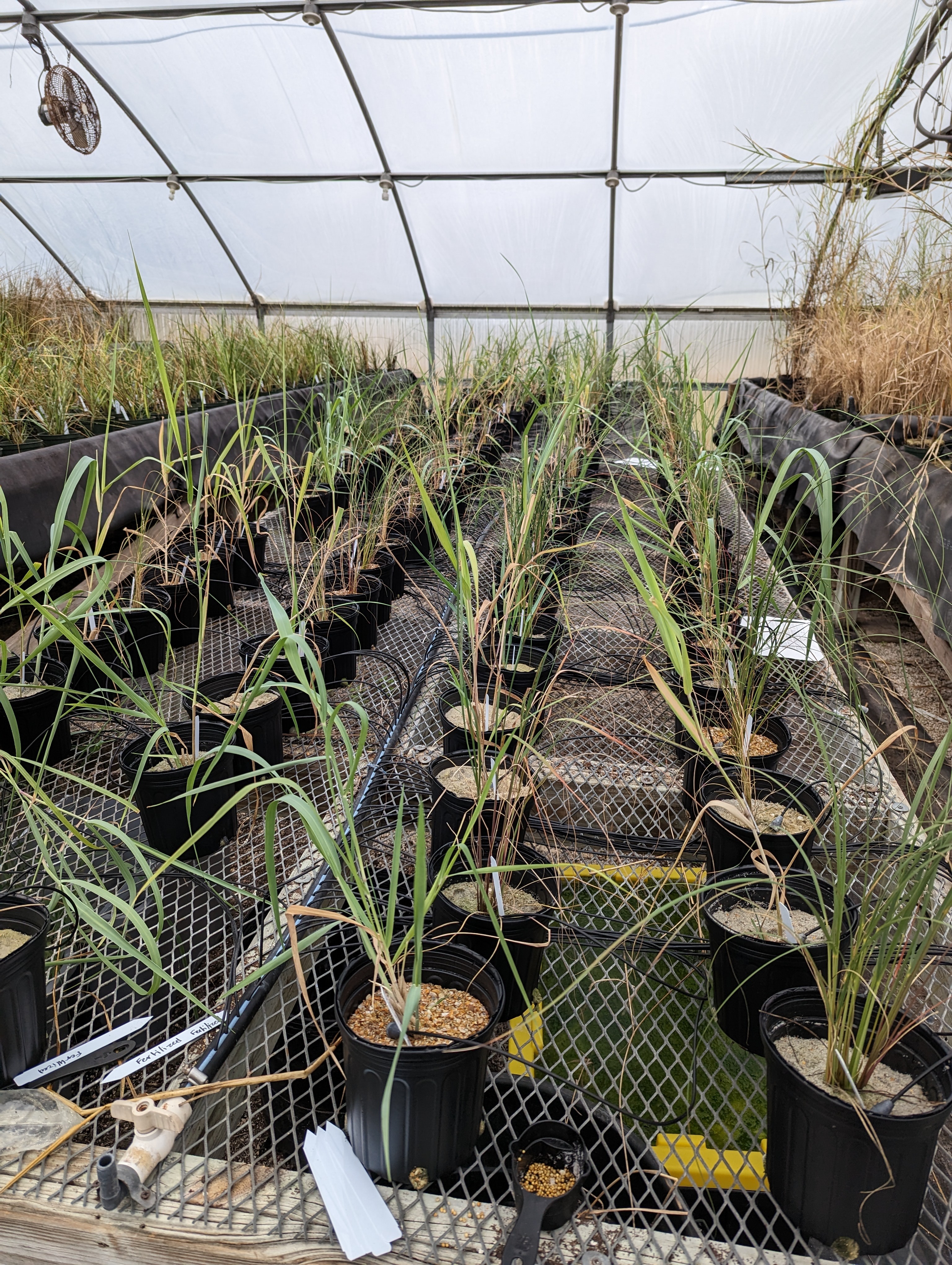 Vegetated dunes provide shoreline protection, help stabilize beaches, and increase overall coastal resiliency, but dune ecosystems are being increasingly lost to sea-level rise, intensifying storms, and increased tourism and development. Their restoration involves constructing dunes out of sand, followed by planting foundational grasses, often involving the addition of fertilizer. The success of revegetation efforts may depend on the source of the sand, which typically comes from nearby coastal dredging—a supply that’s dwindling. Alternatives include sourcing sand from farther offshore or deeper waters (which is expensive) or from upland mining (which can be sourced locally and is being used more frequently).
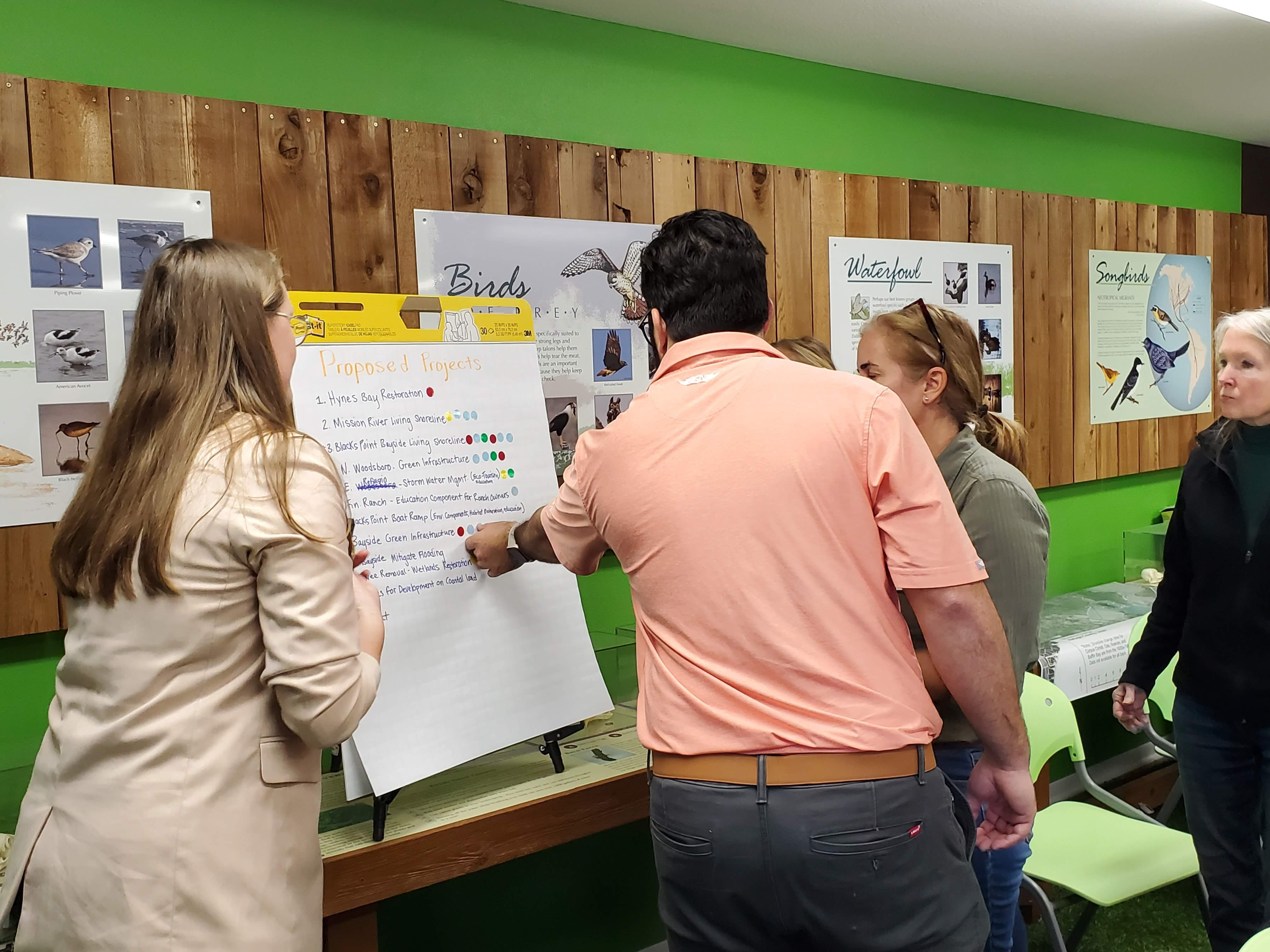 Many rural coastal communities are highly exposed to climate risks but have a limited local capacity to plan for their long-term resilience. Researchers working in Refugio County on the Texas Gulf Coast report on a successful case of using a collaborative, iterative research approach called Participatory Action Research to help develop nature-based solutions with residents, local officials, and technical experts. Over six months, the team assembled a 13-member advisory group to facilitate two workshops and conduct a bilingual county-wide survey (with 139 respondents) on how residents use and value outdoor public spaces. Collectively, the project team and stakeholders worked to identify vulnerabilities (such as chronic flooding and shoreline erosion), barriers to implementing resilience strategies, and key priorities for nature-based solutions that aligned with community values.